The vast landscapes of South America are home to some of the most stunning natural wonders. Among these, the grassy South American plain stands out for its unique beauty and ecological significance. This region offers a rich tapestry of flora and fauna.
Exploring this area reveals a diverse ecosystem that supports various wildlife. From grazing animals to vibrant plant life, the grassy plains are a vital habitat. Understanding this environment helps us appreciate its role in the planet’s health.
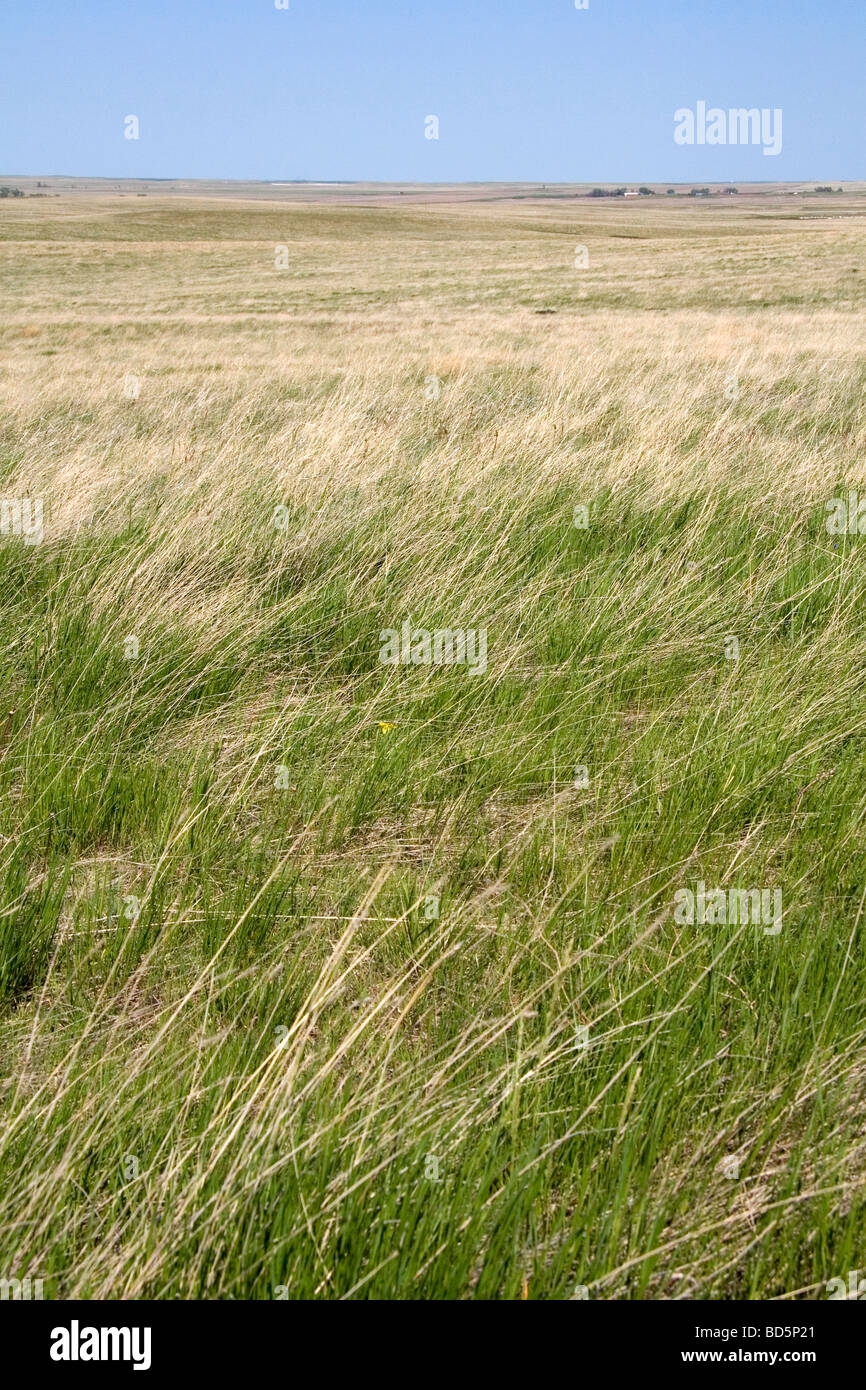
grassy south american plain
Discovering the Grassy South American Plain
The grassy South American plain, often referred to as the Pampas, stretches across Argentina, Uruguay, and parts of Brazil. This expansive region is characterized by its flat terrain and fertile soil, making it ideal for agriculture.
Home to iconic species like the capybara and the pampas deer, this plain is a haven for wildlife enthusiasts. Birdwatchers can also enjoy spotting various migratory birds that flock to these open spaces throughout the year.
The climate in the grassy South American plain varies, with warm summers and cool winters. This seasonal change influences the growth patterns of native grasses and plants, creating a dynamic landscape that changes with time.
Conservation efforts are crucial in preserving this unique ecosystem. As urban development increases, protecting the grassy plains ensures that future generations can experience their beauty and biodiversity. Awareness and action are key to maintaining this natural treasure.
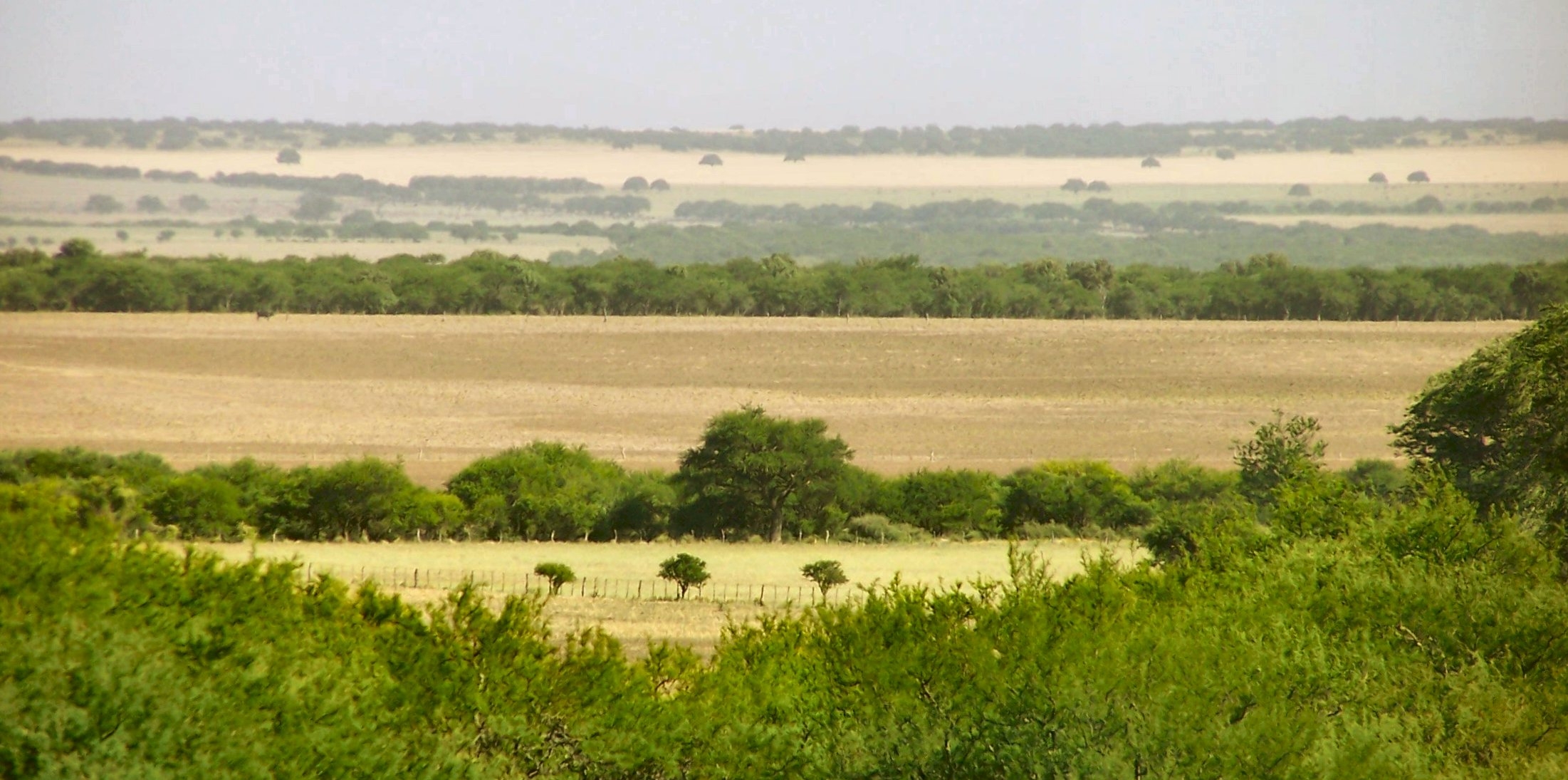
Expanding Agriculture Could Worsen Flooding In South American Plains Study Says
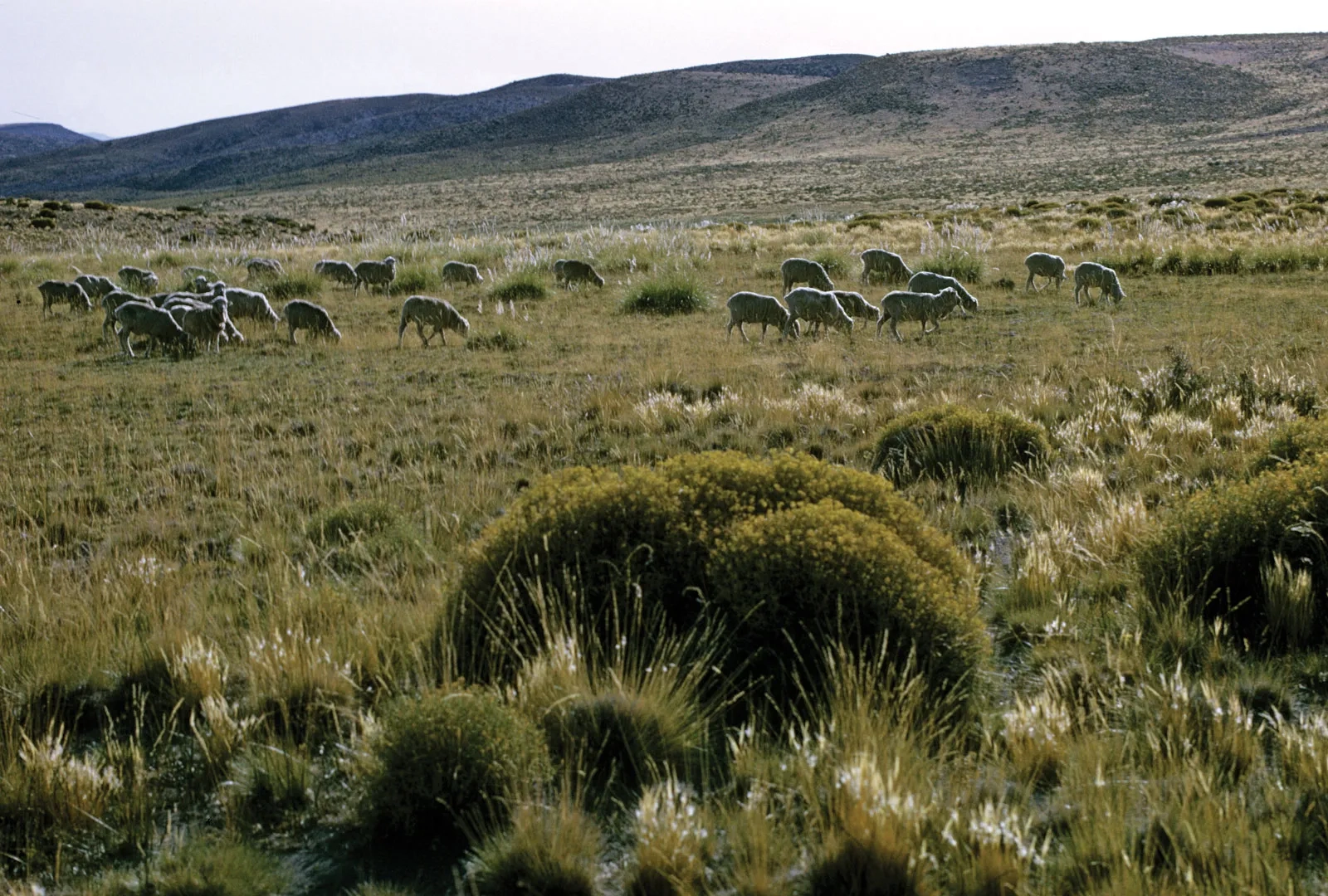
The Pampas Plains Of Argentina Wildlife Agriculture Britannica
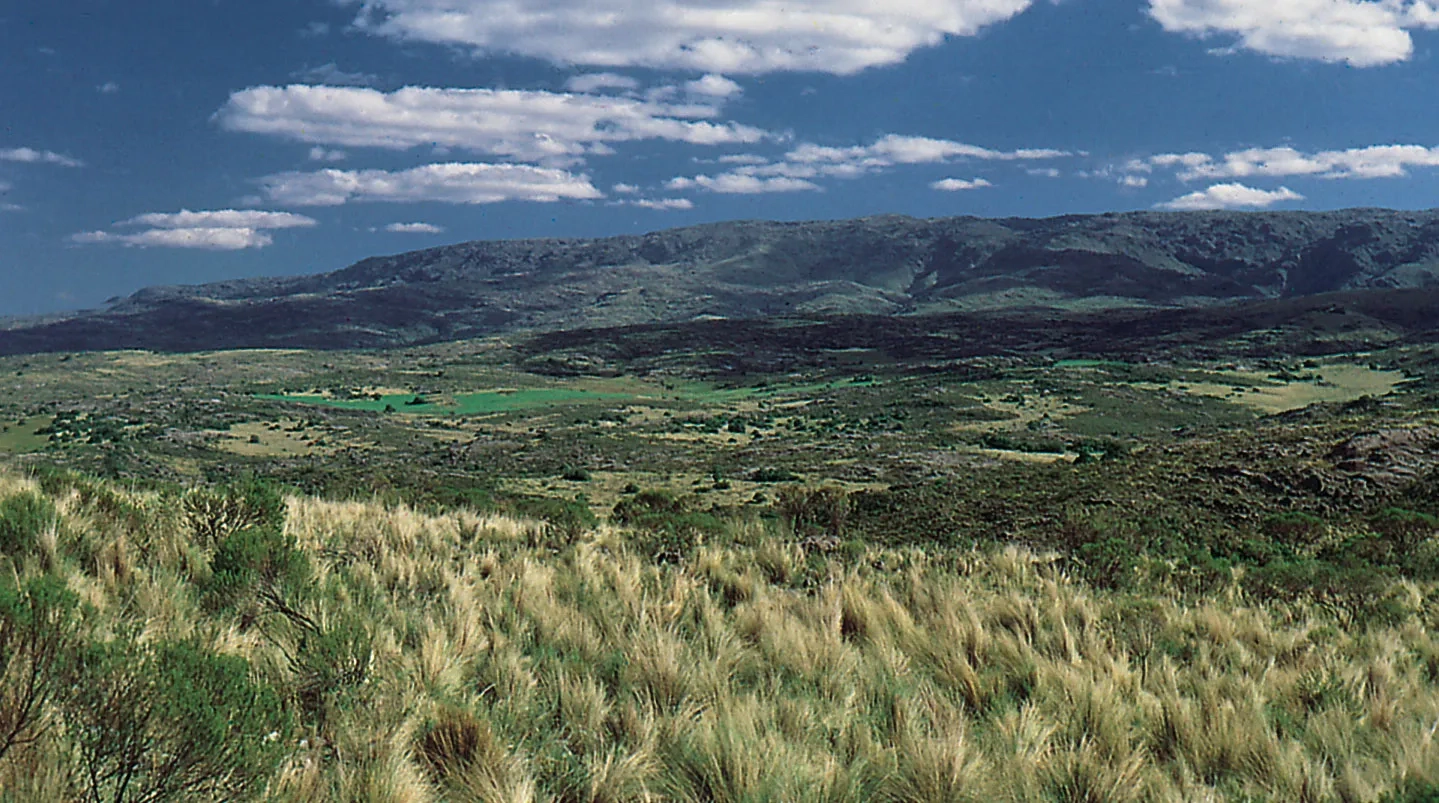
South America Rainforest Flora Fauna Britannica
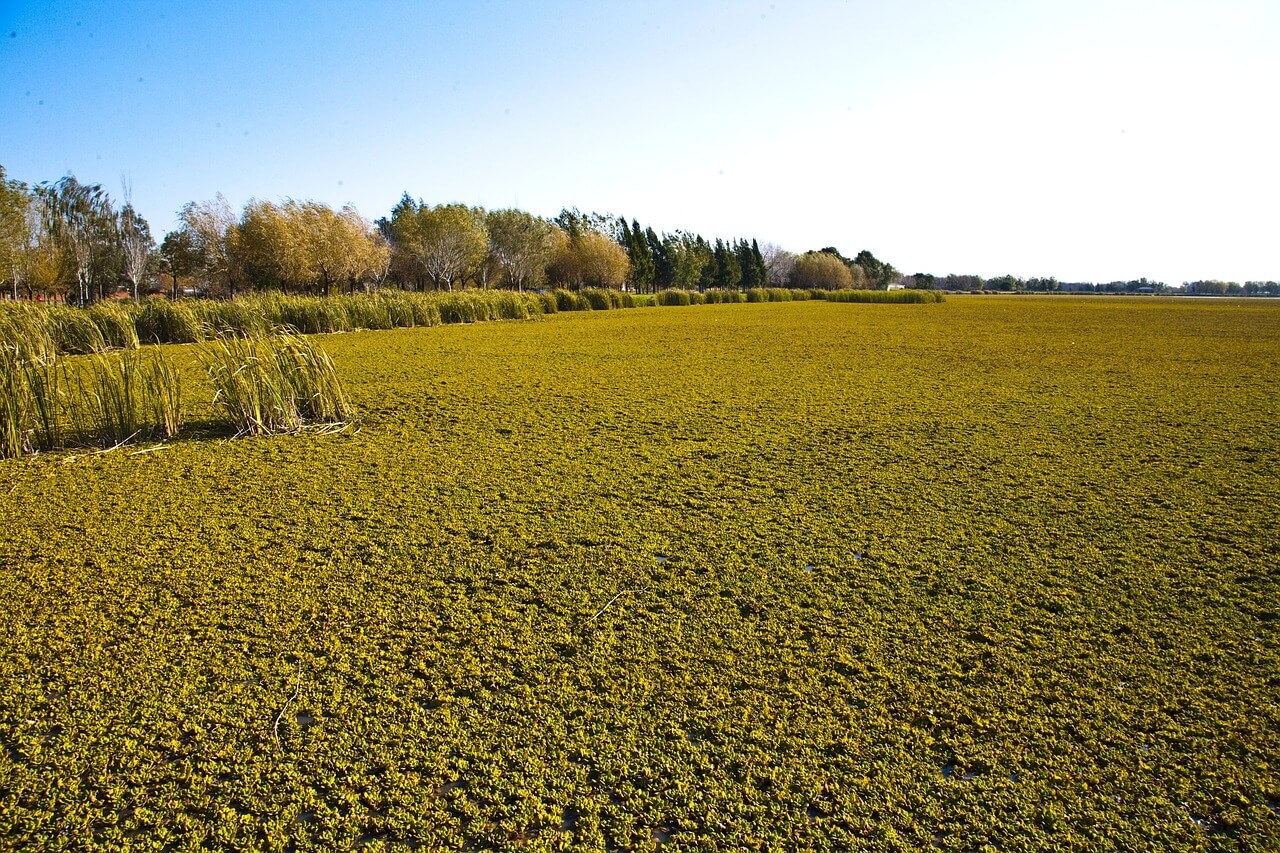
The Pampas South America s Verdant Canvas LAC Geo