Learning German can be a fun adventure, especially when you dive into its unique grammar. One of the most intriguing aspects is the use of cases, which can sometimes feel like a puzzle waiting to be solved.
Understanding these cases is essential for mastering the language. They help clarify the roles of nouns and pronouns in sentences, making communication clearer and more effective.
german grammar case crossword
German Grammar Case Crossword
The German language has four main cases: nominative, accusative, dative, and genitive. Each case serves a specific purpose and changes the form of articles and adjectives. This can be likened to a crossword puzzle where each piece fits perfectly into its place.
In the nominative case, the subject of the sentence is highlighted. For example, “Der Hund läuft” translates to “The dog runs.” Here, “der Hund” is in the nominative case, showing who is performing the action.
Next comes the accusative case, which indicates the direct object. For instance, “Ich sehe den Hund” means “I see the dog.” In this sentence, “den Hund” is in the accusative case, revealing what is being seen.
The dative case introduces indirect objects. An example would be “Ich gebe dem Hund einen Ball,” meaning “I give the dog a ball.” Here, “dem Hund” shows to whom something is given.
Lastly, we have the genitive case, which expresses possession. For example, “Das ist das Spielzeug des Hundes” translates to “That is the dog’s toy.” The phrase “des Hundes” indicates ownership.
Mastering these cases can enhance your understanding of German significantly. With practice and patience, you’ll find that navigating through German grammar becomes easier and even enjoyable.
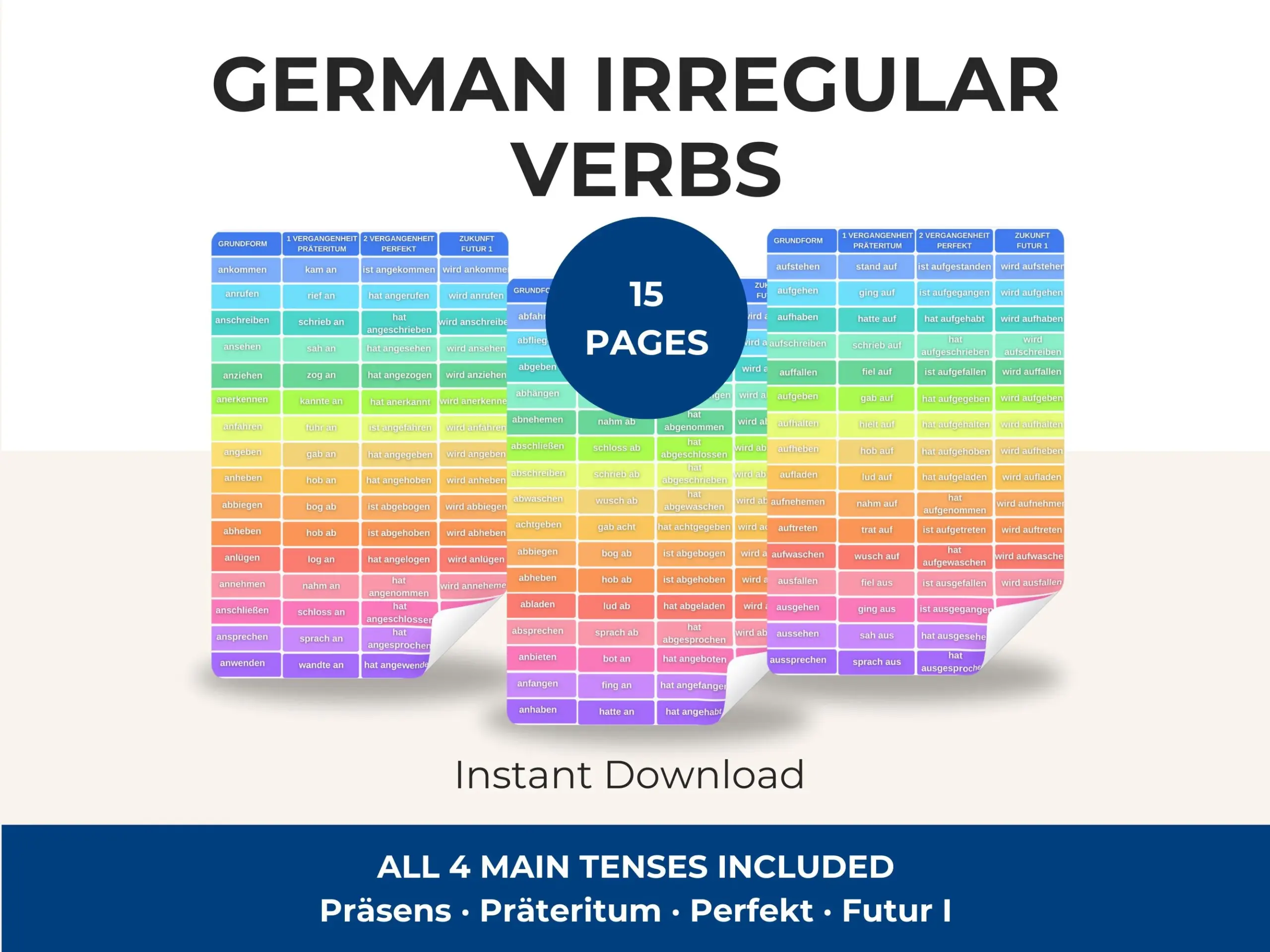
German Grammar Etsy
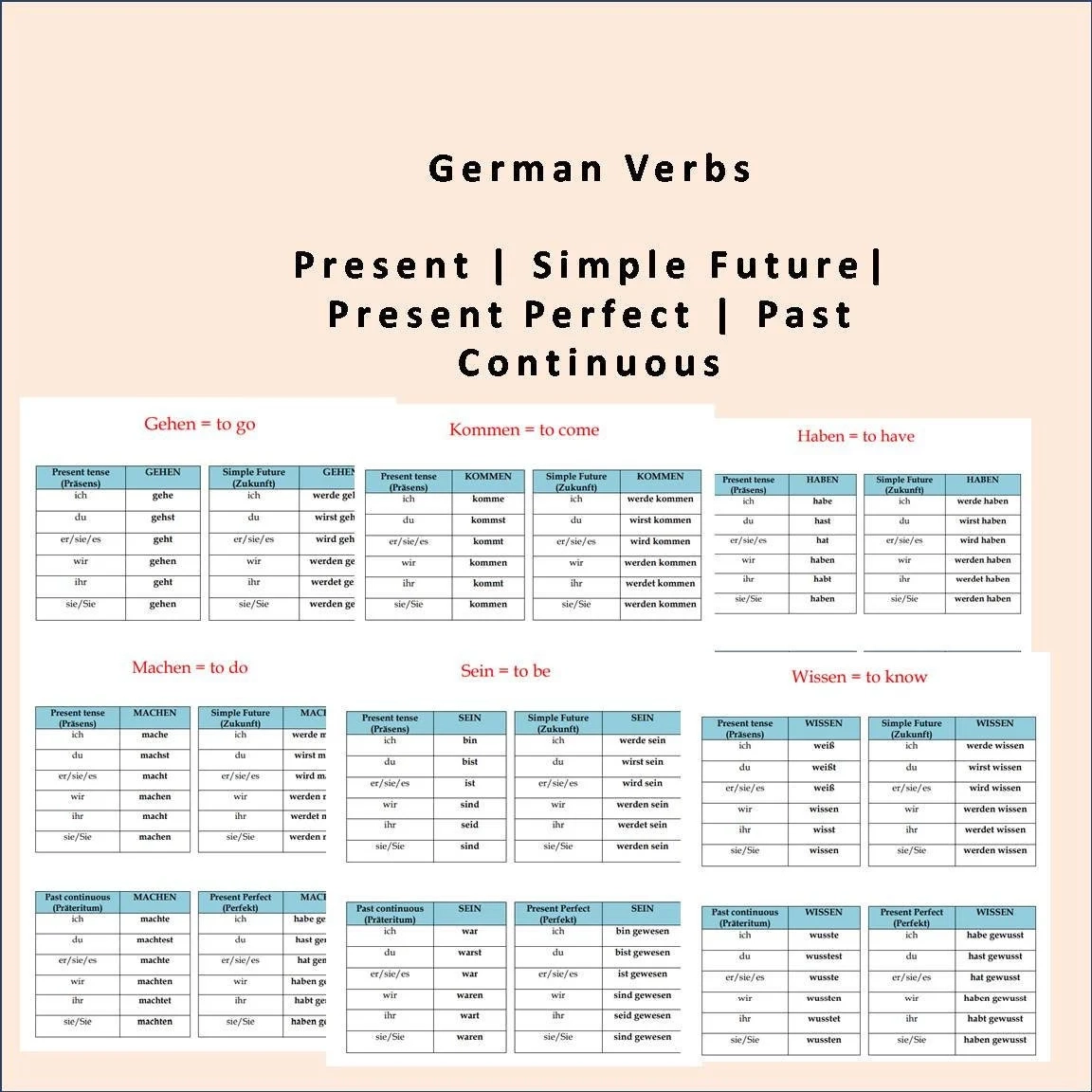
German Grammar Etsy

Crossword Blog Can You Be Cryptic In German Crosswords The Guardian
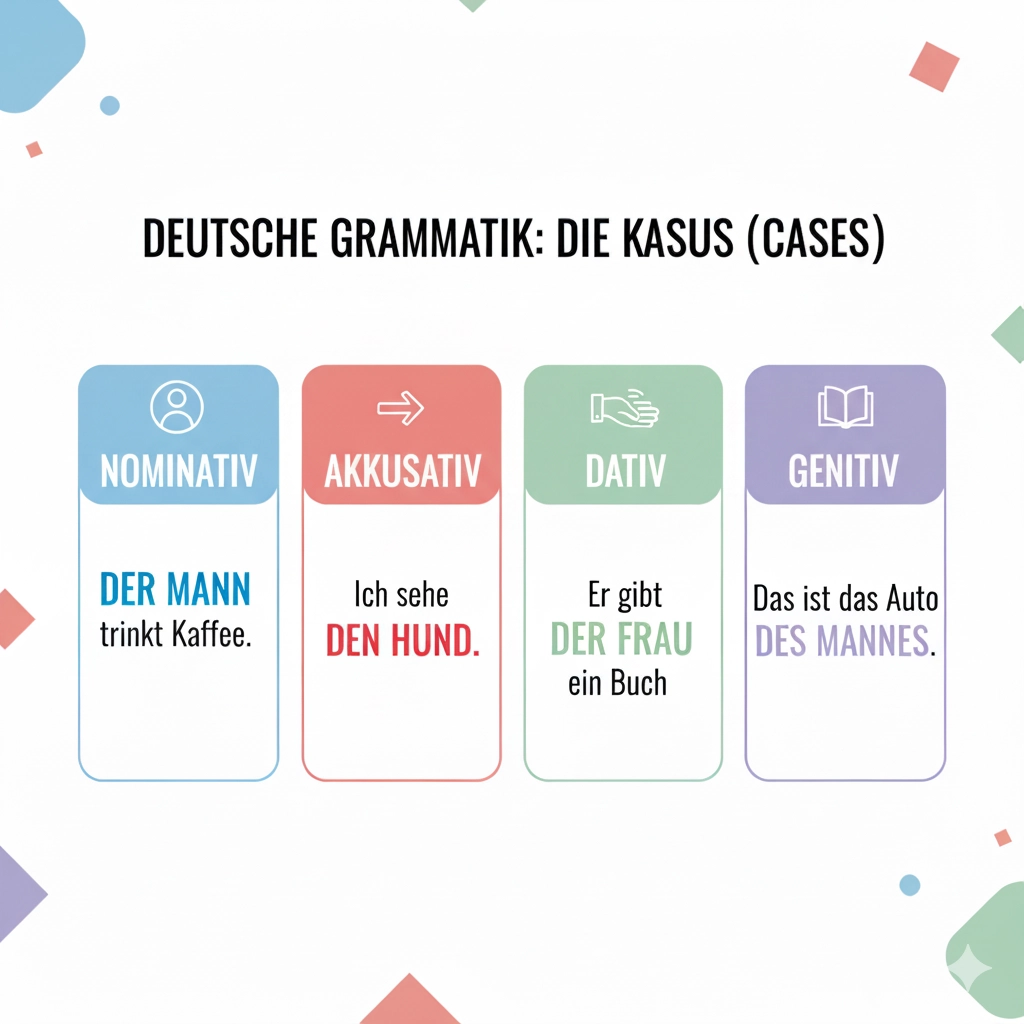
German Grammar Cases Kasus South Africans In Germany