Understanding Cloud Types: A Guide to Lead-in to Stratus or Cumulus
Clouds play a vital role in our weather systems, influencing everything from rainfall to temperature. Among the various types, stratus and cumulus clouds are two of the most common, each with unique characteristics.
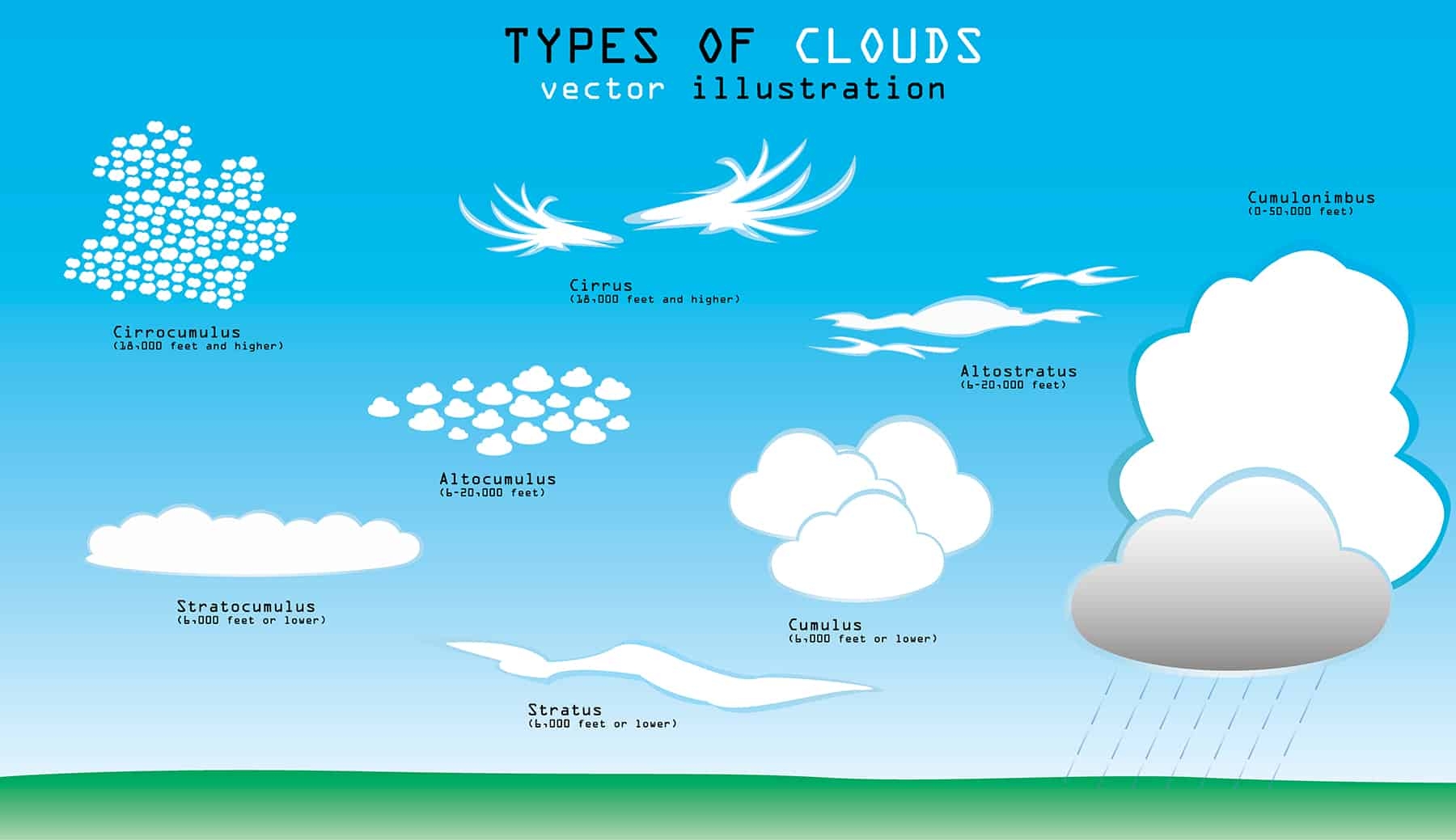
lead-in to stratus or cumulus
Recognizing these clouds can enhance your appreciation of the sky. Stratus clouds often appear as a uniform gray layer, while cumulus clouds are fluffy and white, resembling cotton balls. Understanding their differences is key to predicting weather changes.
Lead-in to Stratus or Cumulus: What You Need to Know
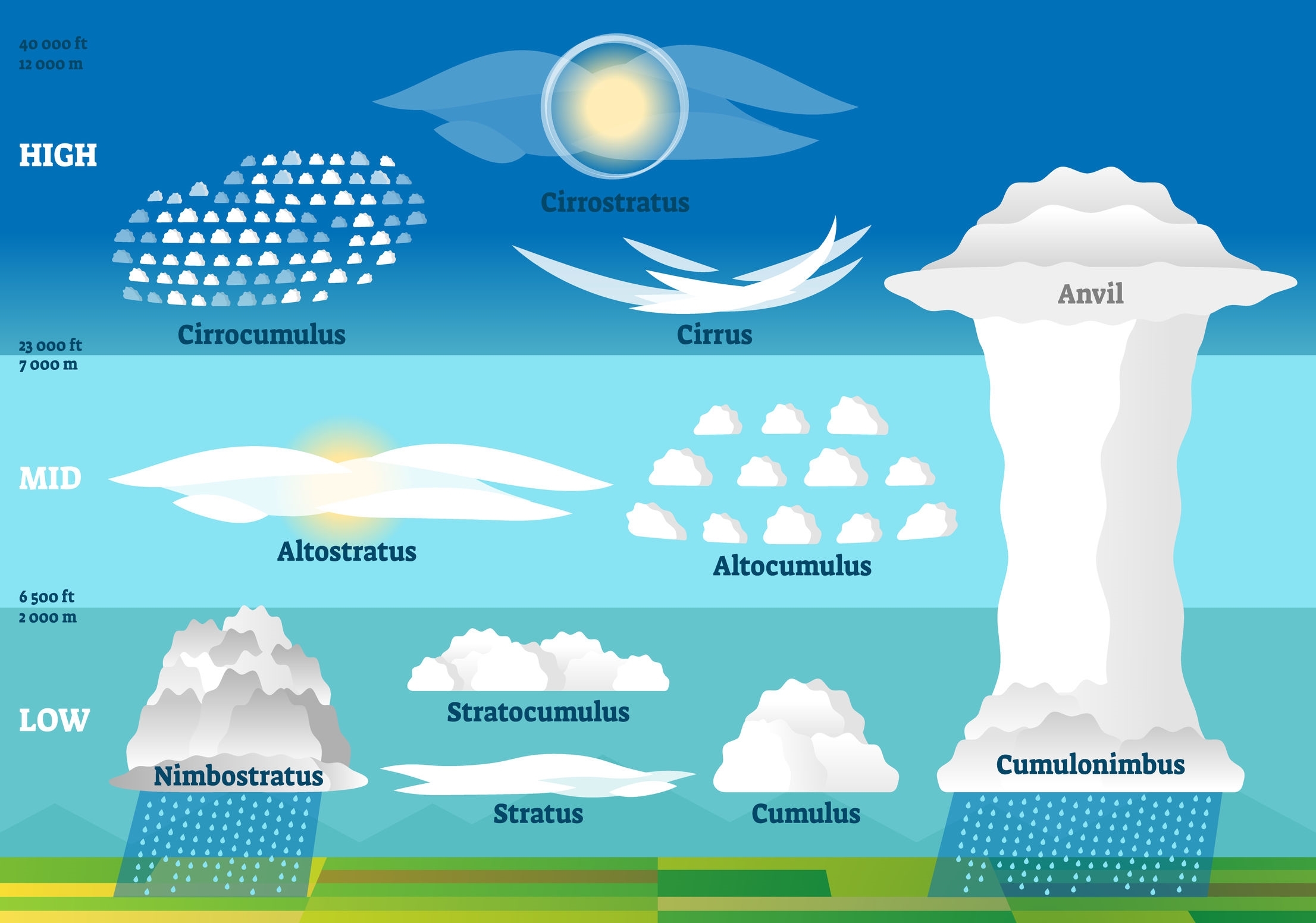
Stratus clouds typically form in stable atmospheric conditions. They can cover the sky like a blanket, leading to overcast days. These clouds often bring light rain or drizzle, making them essential for understanding local weather patterns.
Cumulus clouds, on the other hand, indicate rising air and instability. They usually develop on sunny days and can grow into larger storm clouds if conditions are right. Spotting these clouds can help you anticipate changing weather conditions.
Both cloud types have their own significance in meteorology. Stratus clouds can signal a change in weather, while cumulus clouds often suggest fair weather or potential thunderstorms. Learning to identify them enhances your outdoor experiences.
In summary, recognizing the lead-in to stratus or cumulus clouds enriches your understanding of the atmosphere. Whether you’re a weather enthusiast or just curious about the sky, knowing these cloud types is beneficial for everyone.
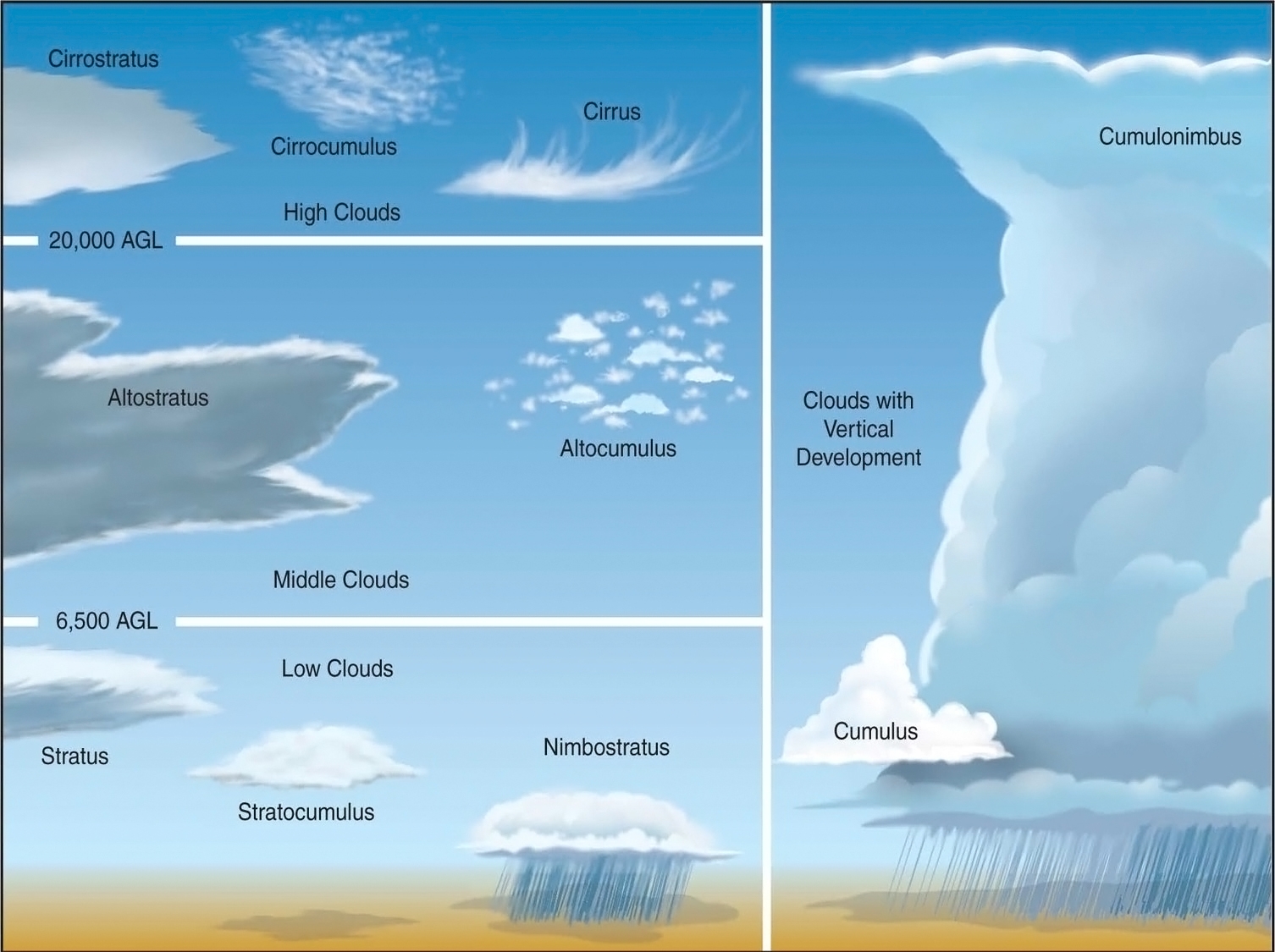
Infographic Cloud Identification Weather Prediction RECOIL OFFGRID
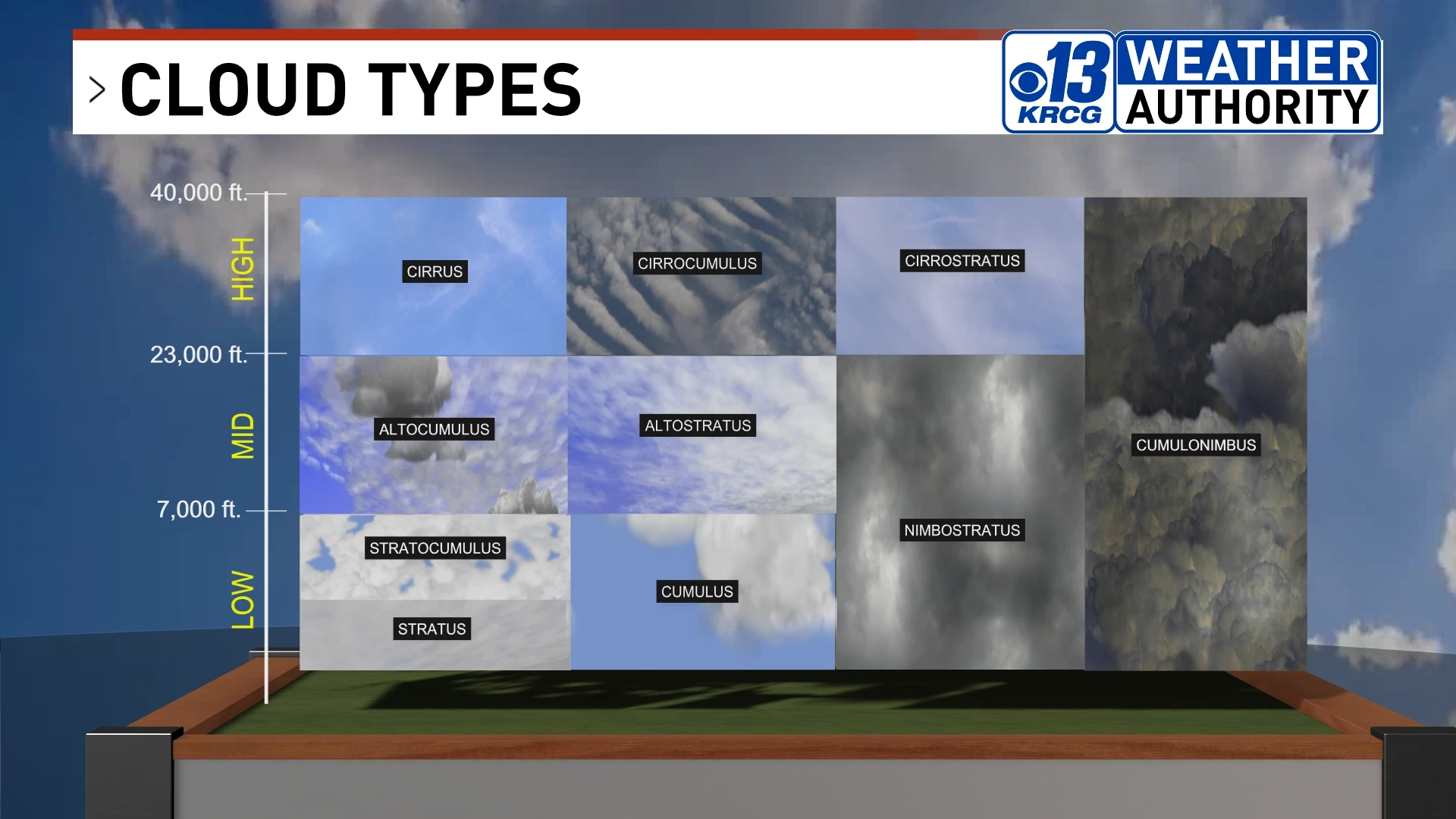
Explaining All The Cloud Types And What They Mean
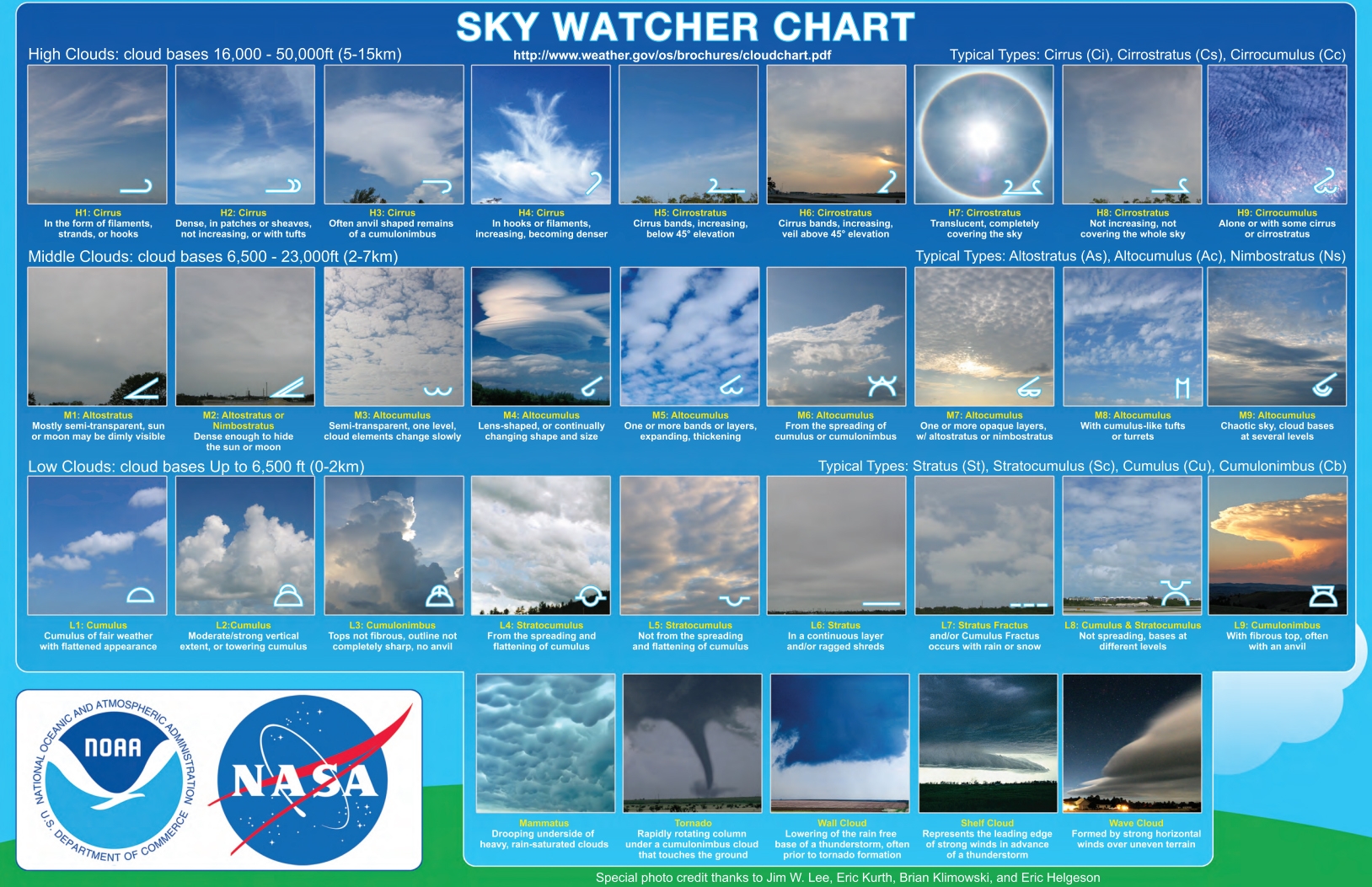
Infographic Cloud Identification Weather Prediction RECOIL OFFGRID
How Are Clouds Formed